
This towering three-layer vanilla cake delivers everything you want: a soft, cloud-like crumb, real vanilla flavor in every bite, and a silky vanilla buttercream frosting that makes you close your eyes when you taste it. I first made this for my daughter's birthday last spring, and honestly, it turned out better than any bakery cake I've ever bought. The best part? It uses simple ingredients you probably already have, and the recipe is surprisingly forgiving for something that looks this impressive.
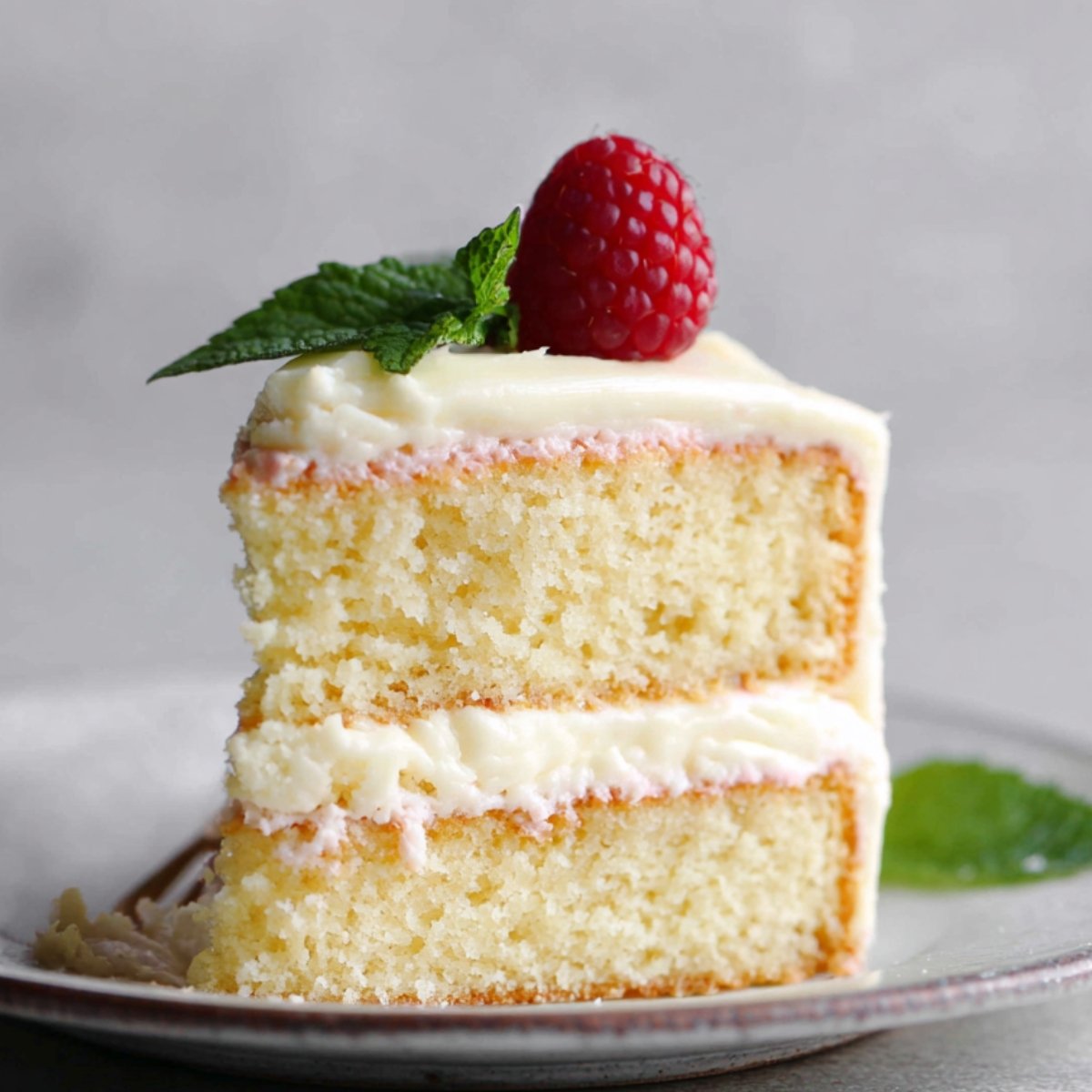
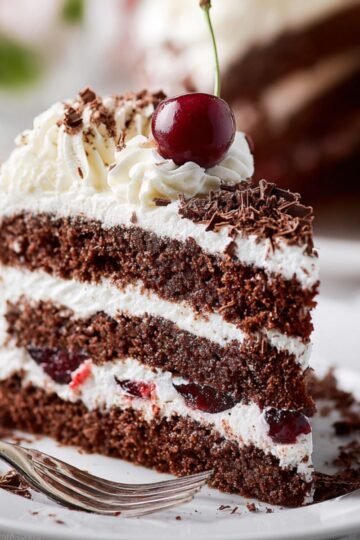
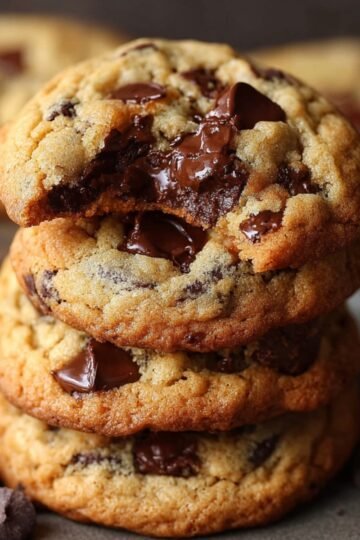
If you're looking for more crowd-pleasing Black Forest Cake, you'll love how this cake pairs beautifully with fresh berries or a scoop of vanilla ice cream. And if you're planning a celebration, this recipe sits right alongside other favorites like Chocolate Chip Cookies or Churro Cheesecake for creating those sweet, memorable moments.
Why You will Love This Recipe !
It's bakery-quality without the price tag. You get a stunning, professional-looking cake from scratch that tastes better than anything from a box or a store.
The texture is unbelievably soft. Cake flour and buttermilk work together to create a delicate, tender crumb that practically dissolves on your tongue.
It's surprisingly easy. Even if you're new to layer cakes, the steps are straightforward, and the batter is forgiving. You don't need fancy techniques or pastry school skills.
The flavor is classic and versatile. Pure vanilla never goes out of style, and this cake works for birthdays, weddings, anniversaries, or just a Tuesday when you want something special.
It stays moist for days. Thanks to the buttermilk and butter, this cake doesn't dry out quickly. You can make it a day ahead and it'll still taste fresh and delicious.
Jump to:
Vanilla Cake Ingredients
Here's everything you'll need to make this moist vanilla cake recipe.
See Recipe Card Below This Post For Ingredient Quantities
For the Cake:
- Cake flour: Forms the foundation of this recipe and creates that signature soft, tender crumb. Spooning and leveling the flour prevents the cake from becoming dense.
- Salt: Balances the sweetness and enhances the vanilla flavor.
- Baking powder and baking soda: Work together to give the cake its light, fluffy rise. Both are necessary for the best texture.
- Unsalted butter: Adds richness and moisture. Make sure it's softened to room temperature so it creams properly with the sugar.
- Granulated sugar: Sweetens the cake and helps create a light, airy texture when beaten with the butter.
- Eggs and egg whites: Provide structure and moisture. The extra egg whites make the cake especially tender and fluffy.
- Pure vanilla extract: This is the star flavor, so use real vanilla extract, not imitation.
- Buttermilk: Adds moisture and a subtle tang that makes the crumb incredibly soft. Room temperature buttermilk blends more smoothly into the batter.
For the Vanilla Buttercream:
- Unsalted butter: Creates a rich, creamy frosting base. Softened butter whips up light and fluffy.
- Confectioners' sugar: Sweetens and thickens the frosting to the perfect spreading consistency.
- Whole milk or heavy cream: Thins the frosting slightly and adds a smooth, silky texture.
- Pure vanilla extract: Reinforces that classic vanilla flavor throughout the frosting.
- Salt: Just a pinch balances the sweetness and makes the vanilla flavor pop.
How to Make Vanilla Cake
Let's walk through how to make this best vanilla cake from scratch.
- Preheat and prep: Preheat your oven to 350°F (177°C). Grease three 9-inch cake pans well, line the bottoms with parchment paper rounds, then grease the parchment too. This double-greasing step ensures the cakes release easily.
- Mix the dry ingredients: In a medium bowl, whisk together the cake flour, salt, baking powder, and baking soda until evenly combined. Set this aside while you work on the wet ingredients.
- Cream butter and sugar: Using a stand mixer or handheld mixer, beat the softened butter and granulated sugar on high speed for about 3 minutes. The mixture should look light, fluffy, and pale. Scrape down the sides of the bowl as needed to make sure everything incorporates evenly.
- Add eggs and vanilla: Add the eggs, egg whites, and vanilla extract to the butter mixture. Beat on high speed for 2 minutes. Don't worry if the mixture looks a little curdled at this point, that's completely normal and it'll smooth out when you add the dry ingredients.
- Combine wet and dry: With the mixer on low speed, add the dry ingredients and mix just until combined. Pour in the buttermilk and continue mixing on low until the batter is fully incorporated and smooth. Give it a few whisks by hand to make sure there are no flour lumps hiding at the bottom.
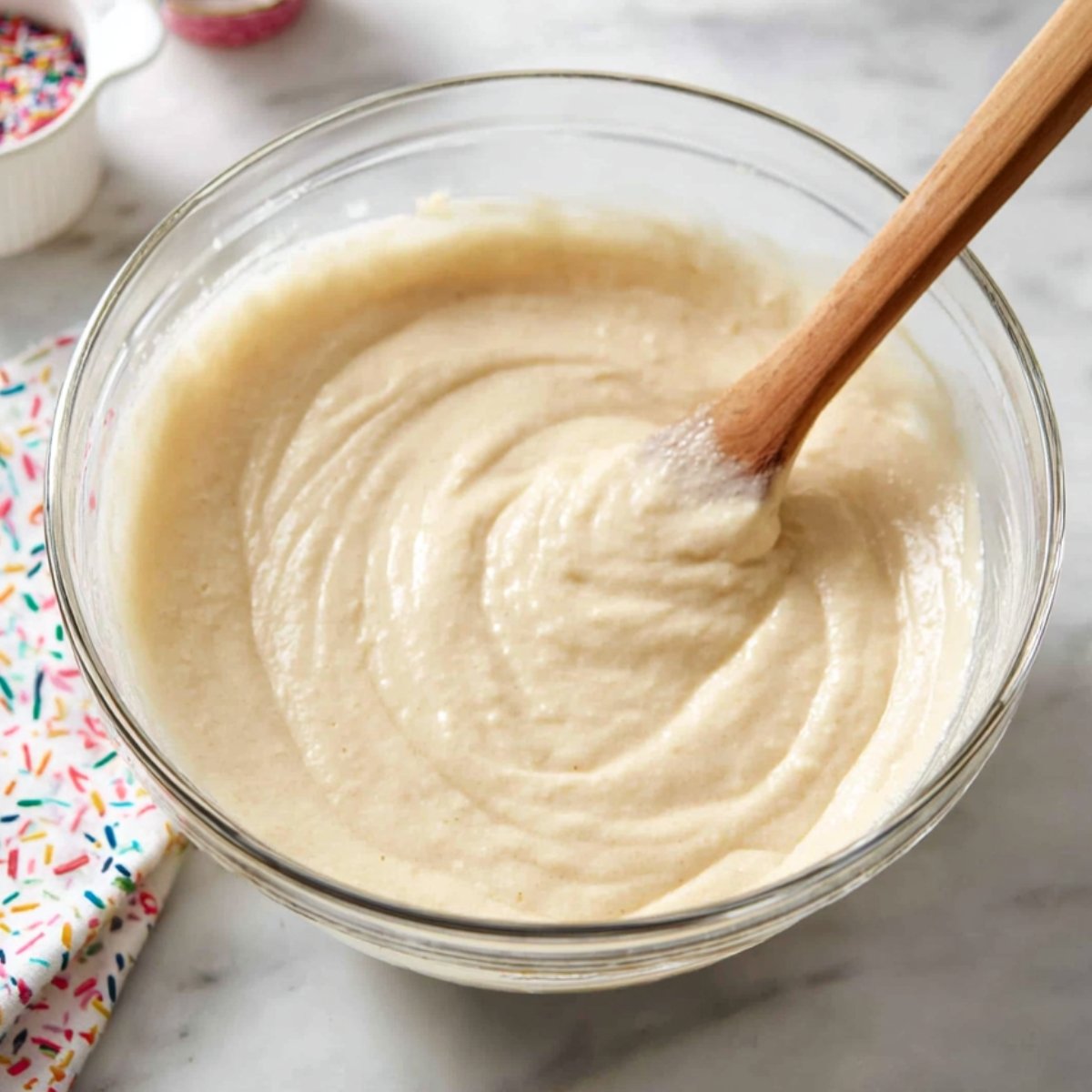
- Divide and bake: Divide the batter evenly among the three prepared pans. A kitchen scale helps here, but eyeballing works too. Bake for 23 to 26 minutes, or until a toothpick inserted into the center comes out clean or with just a few moist crumbs. The edges should look set and the centers will spring back when lightly touched. Let the cakes cool completely in the pans on a wire rack before you even think about frosting.
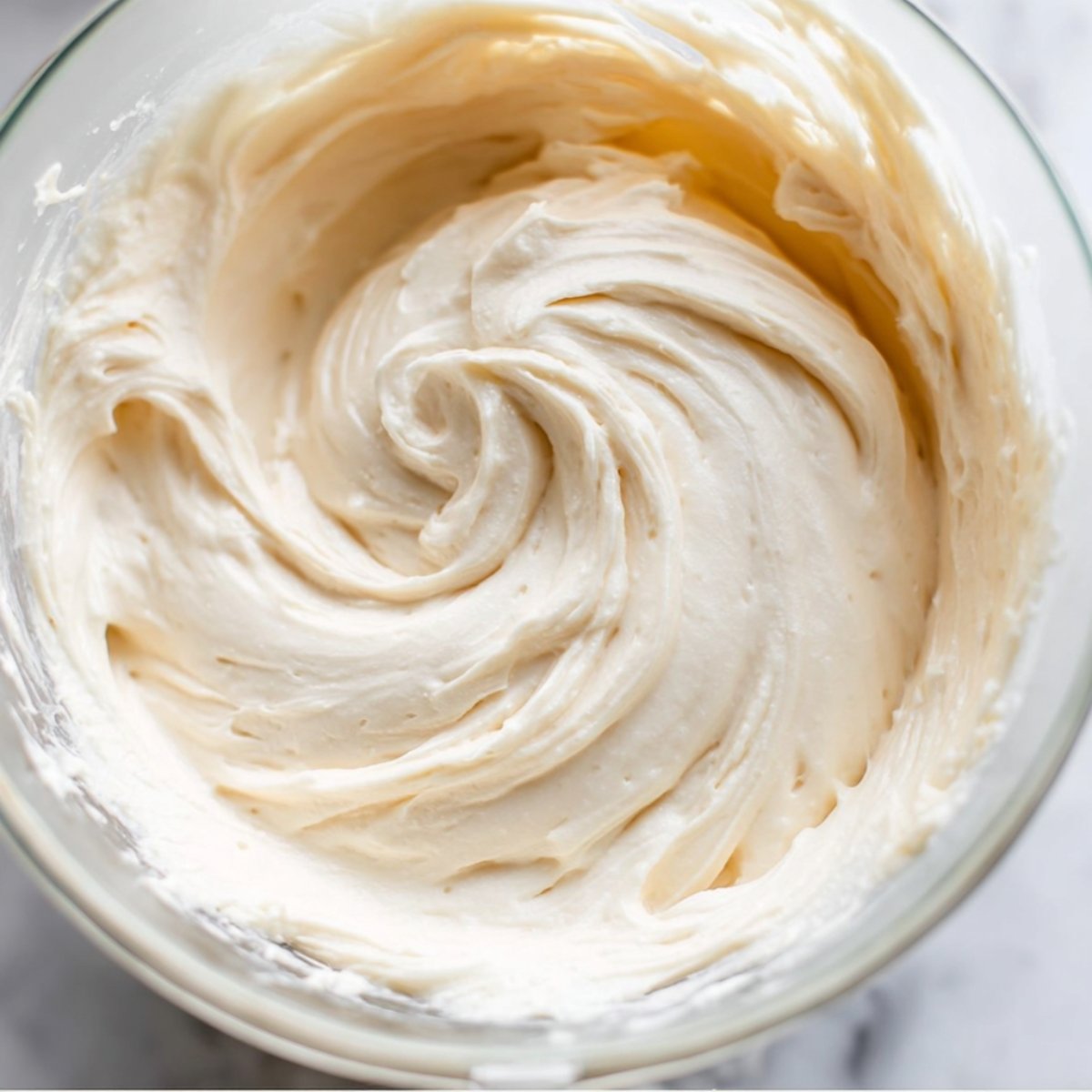
- Make the frosting: In a large bowl, beat the softened butter on medium speed for about 2 minutes until creamy. Add the confectioners' sugar, milk, vanilla extract, and salt. Beat on high speed for 2 minutes until the frosting is light and fluffy. If it seems too thick, add a tablespoon more milk. If it's too thin, add a bit more confectioners' sugar.
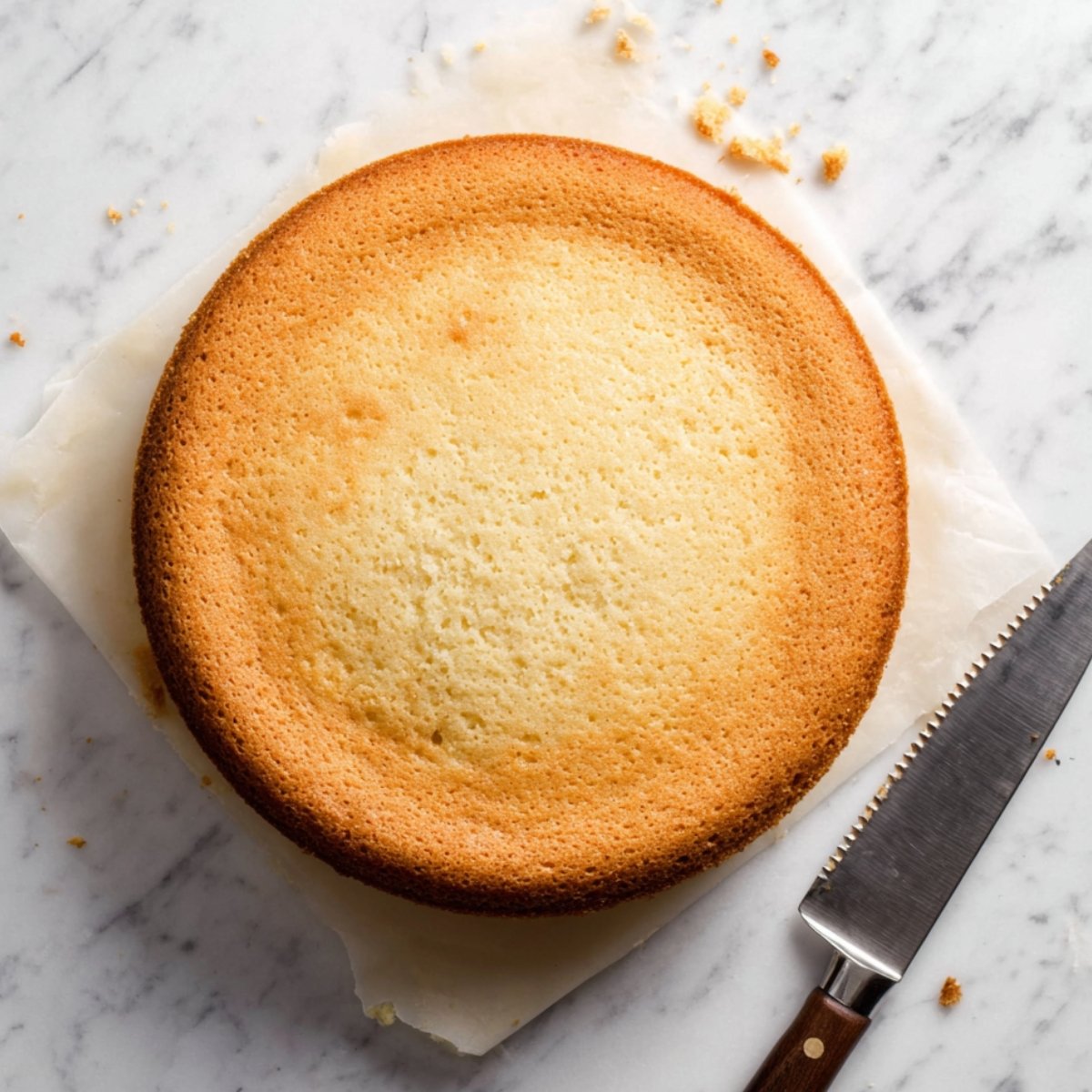
- Level and stack: Once the cakes are completely cool (and I mean completely, even a hint of warmth will melt your frosting), use a serrated knife to level off any domed tops. Place the first layer on your cake stand or serving plate. Spread a generous amount of frosting on top. Add the second layer, more frosting, then the third layer. Frost the top and sides of the cake, smoothing everything with an icing spatula. You can make it rustic or perfectly smooth, whatever feels right.
- Chill before serving: Refrigerate the assembled cake for at least 1 hour before slicing. This helps the layers set and makes cutting clean slices so much easier.
- Store properly: Keep any leftover cake covered in the refrigerator for up to 5 days. Let slices come to room temperature for about 20 minutes before serving for the best flavor and texture.
Substitutions and Variations
No buttermilk? Make your own by adding 1 and ½ tablespoons of white vinegar or lemon juice to 1 and ½ cups of whole milk. Let it sit for 5 minutes before using.
Want a different flavor? Try almond extract instead of vanilla, or use a combination of both for a more complex flavor profile.
Making cupcakes instead? This batter makes about 30 cupcakes. Bake at 350°F for 18 to 22 minutes.
Need a two-layer cake? Divide the batter between two 9-inch pans and bake for 28 to 32 minutes. You'll have extra frosting, which is never a bad thing.
Dairy-free option? You can substitute the butter with vegan butter and use a dairy-free milk with a splash of vinegar in place of buttermilk. The texture will be slightly different but still delicious.
Equipment
9-inch round cake pans: Three pans are ideal, but you can bake in batches if needed.
Silicone spatula: Perfect for scraping down the bowl and folding in ingredients.
Stand or handheld mixer: Makes creaming the butter and sugar effortless and ensures a fluffy frosting.
Whisk: For combining dry ingredients and doing a final check of the batter.
Cooling rack: Allows air to circulate around the cakes so they cool evenly.
Icing spatula: Essential for spreading frosting smoothly and evenly.
Serrated knife: The best tool for leveling cake layers without crushing them.
Cake stand or serving plate: Shows off your beautiful creation and makes frosting the sides easier.
How to Store Your Vanilla Cake
Room temperature: If your kitchen isn't too warm, this buttermilk vanilla cake can sit out for up to 4 hours, covered loosely with plastic wrap or a cake dome.
Refrigerator: Store the frosted cake in an airtight container or covered with plastic wrap for up to 5 days. The buttercream keeps everything moist and fresh.
Freezer: You can freeze unfrosted cake layers wrapped tightly in plastic wrap and aluminum foil for up to 3 months. Thaw in the refrigerator overnight before frosting.
Frosting separately: If you want to freeze the frosted cake, place it in the freezer uncovered for 30 minutes to firm up the frosting, then wrap it well. Thaw in the refrigerator before serving.
Serving Suggestions
This classic vanilla birthday cake is beautiful on its own, but here are a few ways to dress it up:
Fresh berries on top: Pile strawberries, raspberries, or blueberries on the top layer for a pop of color and a fresh, fruity contrast to the sweet frosting.
With vanilla ice cream: Serve a slice with a scoop of good vanilla ice cream on the side. The cold, creamy ice cream against the soft cake is unbeatable.
Drizzle with chocolate sauce: Warm chocolate sauce drizzled over each slice adds a touch of elegance and a flavor combination that never gets old.
Add sprinkles: For a fun, festive look, press colorful sprinkles into the sides of the frosted cake or scatter them on top.
Expert Tips
Bring ingredients to room temperature. Cold eggs and buttermilk don't mix as smoothly, and cold butter won't cream properly. Set everything out about an hour before you start baking.
Don't overmix the batter. Once you add the flour, mix just until you don't see any dry streaks. Overmixing develops gluten and makes the cake tough instead of tender.
Use cake flour, not all-purpose. Cake flour has less protein, which means a softer, more delicate crumb. It's worth buying a box just for this recipe.
Let the cakes cool completely. I know it's tempting to frost a warm cake, but trust me, it'll turn into a melty mess. Patience pays off here.
Invest in parchment paper. Lining the pans with parchment rounds makes releasing the cakes foolproof. No stuck bottoms, no broken layers.
Chill before slicing. An hour in the fridge firms up the frosting and makes cutting clean, beautiful slices so much easier.
FAQ
Vanilla cake became popular in the 1830s when vanilla extract became more widely available. Before that, most cakes were flavored with spices or citrus. Now it's the most popular cake flavor in the United States, loved for its simple, comforting taste that pairs well with almost any frosting or filling.
A frosted vanilla cake can sit out at room temperature for about 4 hours if your kitchen is cool. After that, it's best to refrigerate it to keep the buttercream fresh and prevent the cake from drying out. If you're serving it at a party, you can leave it out for the duration of the event, but store leftovers in the fridge.
The combination of buttermilk, butter, and the right balance of eggs and egg whites creates a tender, moist crumb. Buttermilk adds acidity that keeps the cake soft, while the extra egg whites provide structure without making it heavy. Creaming the butter and sugar properly also incorporates air, which helps the cake rise and stay light.
The 4 day rule suggests that most homemade cakes, especially those with buttercream frosting, stay fresh and moist for about 4 days when stored properly in the refrigerator. After that, the texture can start to dry out or the flavors can diminish. This best vanilla cake actually stays delicious for up to 5 days thanks to the buttermilk and butter, but it rarely lasts that long in my house.
Related
Looking for other recipes like this? Try these:


Pairing
These are my favorite dishes to serve with Vanilla Cake


Vanilla Cake
Ingredients
Method
- Preheat oven to 350°F (177°C). Grease three 9-inch cake pans, line with parchment paper rounds, and grease the parchment paper.
- Whisk together the cake flour, salt, baking powder, and baking soda. Set aside.
- Beat the softened butter and granulated sugar in a large bowl using a stand or handheld mixer on high speed for 3 minutes until smooth and creamy.
- Add the eggs, egg whites, and vanilla extract to the butter mixture. Beat on high for 2 minutes. The batter may look curdled, but this is normal.
- Add the dry ingredients to the bowl with the mixer on low speed until just combined. Then, add the buttermilk and mix until combined. The batter will be slightly thick.
- Divide the batter evenly between the prepared pans. Bake for 23-26 minutes, or until a toothpick inserted into the center comes out clean. Allow the cakes to cool completely in the pans.
- To make the frosting, beat the softened butter on medium speed until creamy, about 2 minutes.
- Add the confectioners' sugar, milk, vanilla extract, and salt to the frosting mixture. Beat on high speed for 2 minutes until fluffy and smooth. If needed, adjust the consistency by adding more sugar or milk.
- Once the cakes are fully cooled, slice off a thin layer from the tops of each cake to create a flat surface. Assemble the cake by placing the first cake layer on a cake stand. Spread about 1 and ½ cups of frosting over the top.
- Add the second cake layer and repeat the frosting process. Place the third cake layer on top and cover the entire cake with the remaining frosting. Finish by smoothing the frosting over the top and sides.
- Refrigerate the cake for at least 1 hour to set the frosting before slicing.
Leave a Reply