
These soft, pillowy sourdough cinnamon rolls are everything you want in a breakfast treat: gooey centers, golden edges, and that gentle tang from the starter that makes them irresistible. I first made these on a chilly Saturday morning when I wanted something special but didn't want to rush, and the overnight rise turned out to be perfect for lazy weekend baking. They're surprisingly easy to put together, and the dough is forgiving enough that even beginners can pull them off beautifully.

If you love cozy breakfast treats, you might also enjoy my Naan Bread for a savory option, or try Japanese Souffle Pancakes when you're craving something light and fluffy. For a quick morning bite, my Avocado Toast is always a winner.
Why You will Love This Sourdough Cinnamon Rolls!
These sourdough cinnamon rolls bring together everything you love about classic cinnamon rolls with the added depth and flavor that only sourdough can give. The overnight rise means you can prep the dough in the evening and wake up to almost-ready rolls, which makes them perfect for holiday mornings or weekend brunch without the stress.
The texture is what really sets these apart. They're soft and tender, with a gooey cinnamon-sugar filling that doesn't overpower the delicate sourdough flavor. The cream cheese glaze adds just the right amount of sweetness without making them too heavy.
What I love most is how adaptable they are. You can freeze them ahead, bake them fresh, or even make them same-day if you adjust the schedule. They're beginner-friendly too, even if you're new to working with sourdough.
Jump to:
Sourdough Cinnamon Rolls Ingredients
Here's everything you need to make these gooey cinnamon rolls from scratch.
See Recipe Card Below This Post For Ingredient Quantities
Sweet Dough
- Whole milk: Adds moisture and richness to the dough. You can use 2% if that's what you have on hand.
- Unsalted butter, melted: Creates a tender crumb and adds flavor. Make sure to let it cool slightly before mixing.
- Egg: Binds everything together and gives the rolls structure and softness.
- Bubbly, active sourdough starter: This is the leavening agent and flavor base. Make sure your starter is fed and active for the best rise.
- Granulated sugar: Sweetens the dough just enough without making it too rich.
- King Arthur all-purpose flour: Forms the base and structure. King Arthur works beautifully for sourdough bread recipes.
- Fine sea salt: Balances the sweetness and enhances all the flavors.
- Cooking spray or oil: Prevents sticking and makes cleanup easier.
Cinnamon-Sugar Filling
- Unsalted butter: Use melted or softened depending on your preferred method. Both work well.
- Granulated sugar: Combines with cinnamon to create that classic sweet, spiced filling.
- Ground cinnamon: The star of the show. Use fresh cinnamon for the best flavor.
- Flour: Helps absorb moisture from the butter and keeps the filling from getting too runny.
Glaze
- Unsalted butter, softened: Creates a smooth base for the glaze.
- Whipped cream cheese: Adds tang and a lighter texture than traditional icing.
- Powdered sugar, sifted: Sweetens and thickens the glaze. Sifting prevents lumps.
- Milk: Thins the glaze to your desired consistency. Add a little at a time.
How to Make Sourdough Cinnamon Rolls
Let's walk through making these easy sourdough rolls step by step.
- Baker's schedule: Decide which timing works best for you. The overnight option is most popular because you mix the dough in the evening, let it rise while you sleep, then shape and bake in the morning. If you want to prep further ahead, the freezer method lets you shape the rolls and freeze them, then thaw overnight before baking.
- Combine butter and milk: In the evening, melt your butter and mix it with the milk in a small bowl. Let it cool for a few minutes so it's warm but not hot, which would kill your starter.
- Mix wet ingredients: Add the egg, sourdough starter, and sugar to your stand mixer bowl. Mix them together until they're well combined and slightly frothy.
- Form the dough: With the mixer running on low, slowly pour in your milk mixture. Add the flour and salt, then mix for about 1 minute until you have a rough, sticky dough. Scrape down the sides and let it rest for 30 minutes. This rest helps the flour hydrate.
- Knead the dough: Switch to your dough hook and knead on medium-low speed for 6-8 minutes. The dough should become soft and smooth, pulling away from the sides of the bowl. If it's too sticky, add a tablespoon of flour at a time.
- Bulk rise: Transfer your dough to a buttered bowl, cover it with plastic wrap, and let it rise overnight at room temperature (67-68°F works perfectly). It should double in size over 8-12 hours.
- Optional stretch and fold: About 30-60 minutes into the rise, you can stretch and fold the dough 4 times around the bowl. This builds strength and adds air, making your baked rolls even fluffier.
- Prepare your pan: In the morning, line your 9-inch springform pan with parchment paper so the rolls won't stick.
- Shape the dough: Lightly oil and flour your countertop. Turn the dough out gently and pat it into a rough rectangle. Let it rest for 10 minutes to relax the gluten.
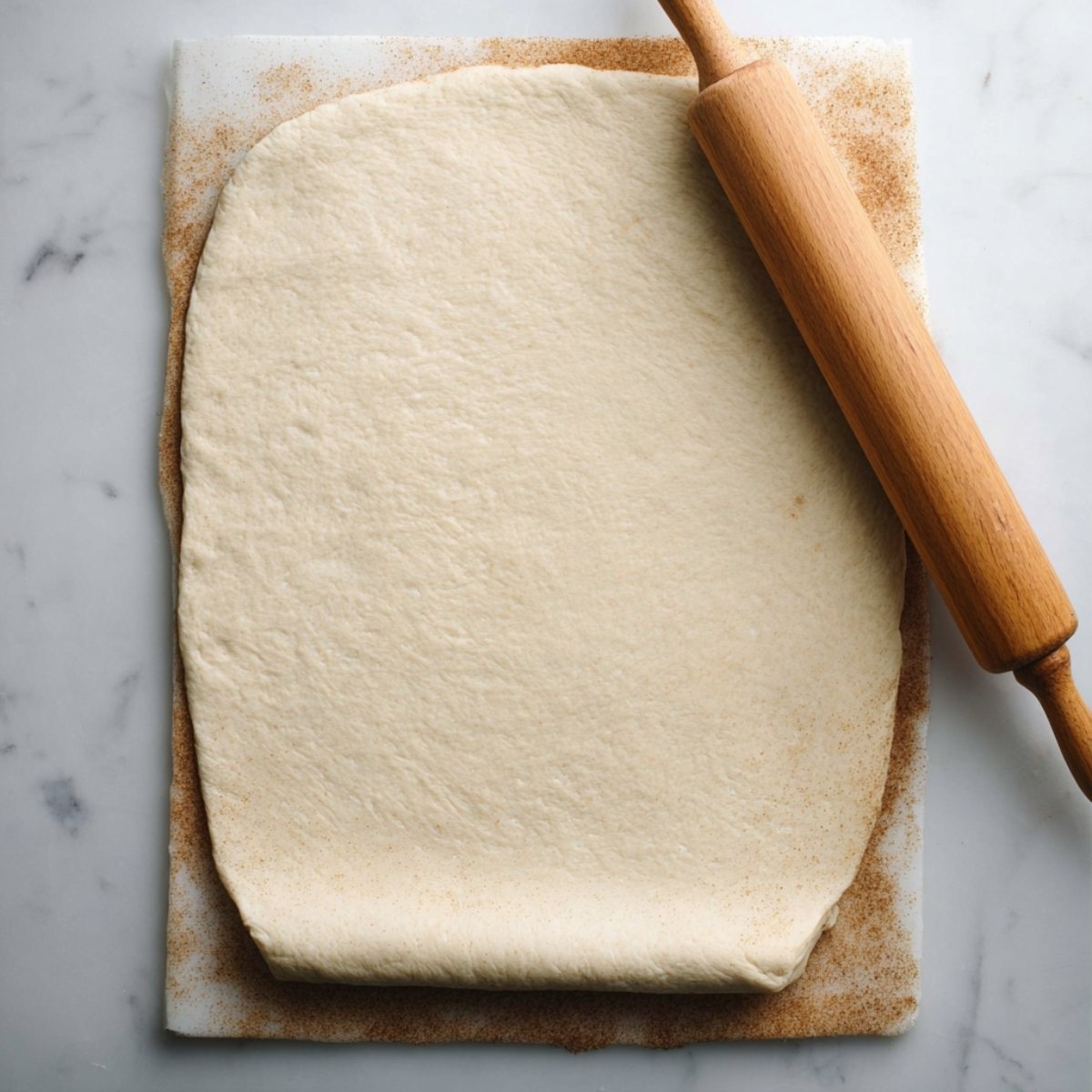
- Roll it out: Dust your dough and rolling pin with flour, then roll the dough into a 16x12-inch rectangle. If it springs back, just let it rest another 5-10 minutes and try again.
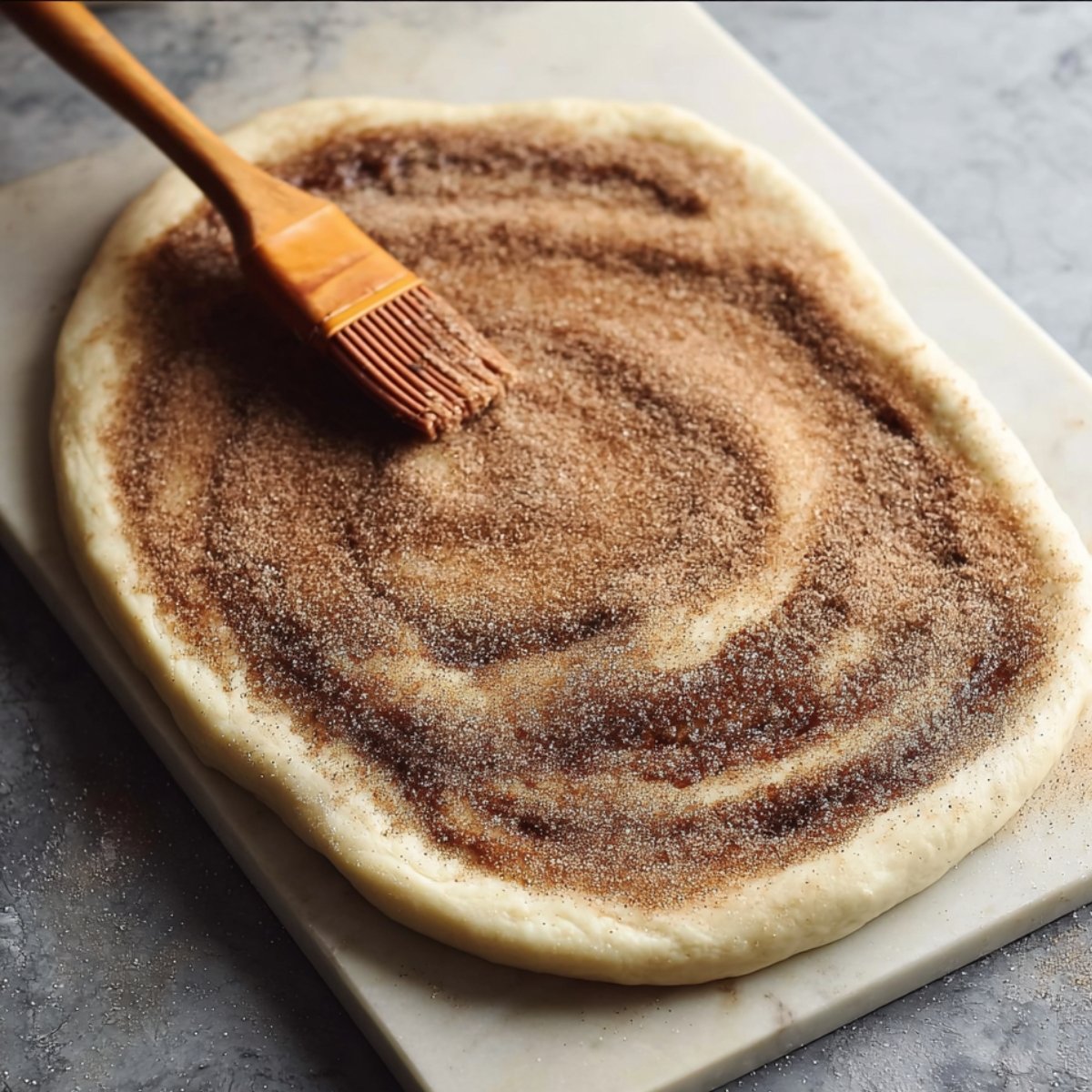
- Make the filling: For the softened butter version, mix 84g (6 tbsp) softened butter with the sugar, cinnamon, and flour. For the melted version, brush your dough with 28g (2 tbsp) melted butter, then sprinkle the sugar, cinnamon, and flour mixture evenly over the top, leaving a half-inch border.
- Roll the dough: Starting from the long 16-inch side, roll the dough into a tight log. Press down gently as you go to keep it compact and prevent gaps.
- Cut the rolls: Use an oiled knife or bench scraper to cut the log into 2-inch sections. Mark the dough first with light scores so each roll is even.
- Second rise: Place your rolls in the prepared pan and let them rest for 1-2 hours until they're puffy and touching each other.

- Bake: Preheat your oven to 350°F. Bake the rolls for 35-40 minutes, checking at 30 minutes. The tops should be golden brown and the centers should look set.
- Cool: Remove from the oven and let the rolls cool in the pan for 15 minutes before transferring to a wire rack.
- Make the glaze: Beat the softened butter, cream cheese, and powdered sugar together until smooth and creamy. Add milk a tablespoon at a time until you reach your preferred consistency.
- Glaze and serve: Spread the glaze over the warm rolls or dust them lightly with powdered sugar. They're best enjoyed the same day while they're still soft and gooey.
Substitutions and Variations
These overnight rolls are pretty flexible if you need to make swaps.
For a dairy-free version, use plant-based milk and vegan butter throughout. Swap the cream cheese glaze for a simple powdered sugar and milk icing.
If you don't have a sourdough starter, you can't really make these without it since that's what gives them their signature flavor and rise. But if you're looking for quick cinnamon rolls, a traditional yeast-based recipe would work better.
Want to make them same-day? After the first 1-hour rest, you can proceed with shaping and allow a longer second rise at room temperature, about 3-4 hours, until doubled.
For the filling, you can add chopped nuts, raisins, or even a little orange zest for extra flavor. Some people love adding a cream cheese layer before the cinnamon sugar.
The glaze is totally customizable. Make it thicker by adding more powdered sugar or thinner with extra milk. You can also skip it entirely and just dust with powdered sugar.
Equipment
A stand mixer with both a paddle attachment and dough hook takes the work out of kneading. You could knead by hand, but it takes longer and more effort.
The 9-inch springform pan is perfect for these rolls because you can easily remove the sides and slide them onto a serving plate.
An offset spatula helps spread the filling evenly and makes glazing smooth and easy.
A bench scraper or oiled knife gives you clean cuts through the dough without squishing the rolls.
Parchment paper prevents sticking and makes cleanup a breeze.
Storage and Make-Ahead Tips
These sourdough breakfast rolls store really well if you have leftovers.
Keep them at room temperature in an airtight container for up to 2 days. They'll stay soft, though they're definitely best on day one.
For longer storage, wrap individual rolls in plastic wrap and freeze for up to 2 months. Thaw at room temperature or warm them in the microwave for 20-30 seconds.
The make-ahead freezer method is a lifesaver for busy mornings. Shape and cut the rolls, place them in your parchment-lined pan, cover tightly with plastic wrap, and freeze. The night before you want to bake, move them to the counter to thaw overnight (10-12 hours), then bake as directed.
You can also refrigerate the shaped rolls for up to 24 hours. Let them come to room temperature and finish rising before baking.
Already baked rolls can be refreshed in a 300°F oven for 5-10 minutes to bring back that fresh-from-the-oven softness.
Serving Suggestions
These gooey sourdough rolls are perfect on their own, but here are some cozy ways to serve them.
Serve them warm with hot coffee or tea for a classic breakfast pairing. The warmth of the rolls with a steaming mug is unbeatable.
Make them the star of weekend brunch alongside scrambled eggs, fresh fruit, and maybe some Bisquick Sausage Balls for a savory balance.
For holiday mornings, arrange them on a pretty platter and let everyone pull their own. They're festive without being fussy.
Pair with cold milk for kids, or add a small scoop of vanilla ice cream on top for an indulgent dessert version.
Expert Tips
Here are a few things I've learned that make these rolls turn out perfectly every time.
Make sure your sourdough starter is active and bubbly. If it's not rising well, your rolls won't either. Feed it 4-6 hours before you start for the best results.
Don't rush the rises. The overnight bulk fermentation is what develops the flavor and texture. If your kitchen is cooler than 68°F, the rise might take longer, and that's okay.
When rolling out the dough, don't fight it. If it keeps springing back, let it rest for 10 minutes. The gluten needs time to relax.
For even rolls, mark your cutting lines before you slice. I use a ruler to measure 2-inch sections, then score lightly with a knife before cutting all the way through.
Oil your knife or bench scraper before cutting to prevent dragging and squishing the dough.
If your rolls are browning too quickly, tent them with foil for the last 10-15 minutes of baking.
The rolls are done when the internal temperature reaches about 190°F, but honestly, when they're golden on top and smell amazing, they're ready.
FAQ
For the overnight method, let the dough rise for 8-12 hours during the bulk fermentation. After shaping, the second rise takes 1-2 hours at room temperature until the rolls are puffy and touching. If your kitchen is cold, both rises might take longer, so just watch the dough instead of the clock.
The most common reason is inactive starter or not enough rise time. Make sure your starter is bubbly and active before you begin. Also, if you skip the resting periods or rush the rises, the rolls won't develop the air pockets they need to be fluffy. Cold dough is harder to roll too, so let it come to room temperature.
Rolling the dough too thin or too thick throws off the texture. Adding too much flour during kneading makes them dense. Cutting the rolls unevenly means some bake faster than others. Not letting them rise enough before baking results in tight, heavy rolls instead of soft ones. And overbaking dries them out, so watch them closely after 30 minutes.
Yes, you can refrigerate the shaped rolls for up to 24 hours before the second rise. Cover them tightly with plastic wrap. When you're ready to bake, let them sit at room temperature for 1-2 hours until they're puffy before putting them in the oven. This actually makes the flavors even better.
Related
Looking for other recipes like this? Try these:




Pairing
These are my favorite dishes to serve with Sourdough Cinnamon Rolls




Sourdough Cinnamon Rolls
Ingredients
Method
- Combine melted butter and milk in a small bowl. Allow to cool slightly before using.
- Add egg, sourdough starter, and sugar to the stand mixer bowl. Mix to combine. With the mixer running, slowly pour in the cooled milk mixture. Add flour and salt. Continue mixing until rough dough forms, about 1 minute. Scrape down the bowl. Cover and let rest for 30 minutes.
- Switch to the dough hook and knead on medium-low speed for 6-8 minutes. The dough should feel soft and pull away from the sides. If too sticky, add a small amount of flour.
- Transfer dough to a butter-coated bowl. Cover with plastic wrap and let rise overnight until doubled in size, about 8-12 hours at 67-68°F.
- Stretch and fold the dough by pulling portions upward and folding them toward the center. Rotate the bowl a quarter turn and repeat. This helps aerate the dough.
- Line a 9-inch springform pan with parchment paper. Lightly oil and flour a countertop. Gently press the dough into a rough rectangle, resting for 10 minutes before rolling.
- Dust dough and rolling pin with flour. Roll dough into a 16x12-inch rectangle. If dough resists, let rest for 5-10 minutes and retry.
- For softened butter variation, mix softened butter, sugar, cinnamon, and flour in a small bowl. Spread onto dough with an offset spatula, leaving a ½-inch border. If using melted butter, brush the dough with the melted butter, then sprinkle with sugar, cinnamon, and flour mixture.
- Roll the dough tightly from the long edge, pressing gently to ensure the swirls stay intact. Cut the log into 2-inch sections using an oiled knife or bench scraper.
- Place rolls into the prepared springform pan. Let rest for 1-2 hours or until dough puffs up. Alternatively, follow make-ahead instructions.
- Preheat oven to 350°F. Bake rolls on the center rack for 35-40 minutes, checking at 30 minutes. Tops should turn light golden brown.
- Cool rolls in the pan for 15 minutes. Remove rolls using parchment paper and transfer to a wire rack. While cooling, prepare the glaze. Beat butter, cream cheese, and powdered sugar until smooth, adding milk to adjust consistency.
- Top rolls with glaze or dust with powdered sugar. Best served warm on the same day of baking.
Leave a Reply