
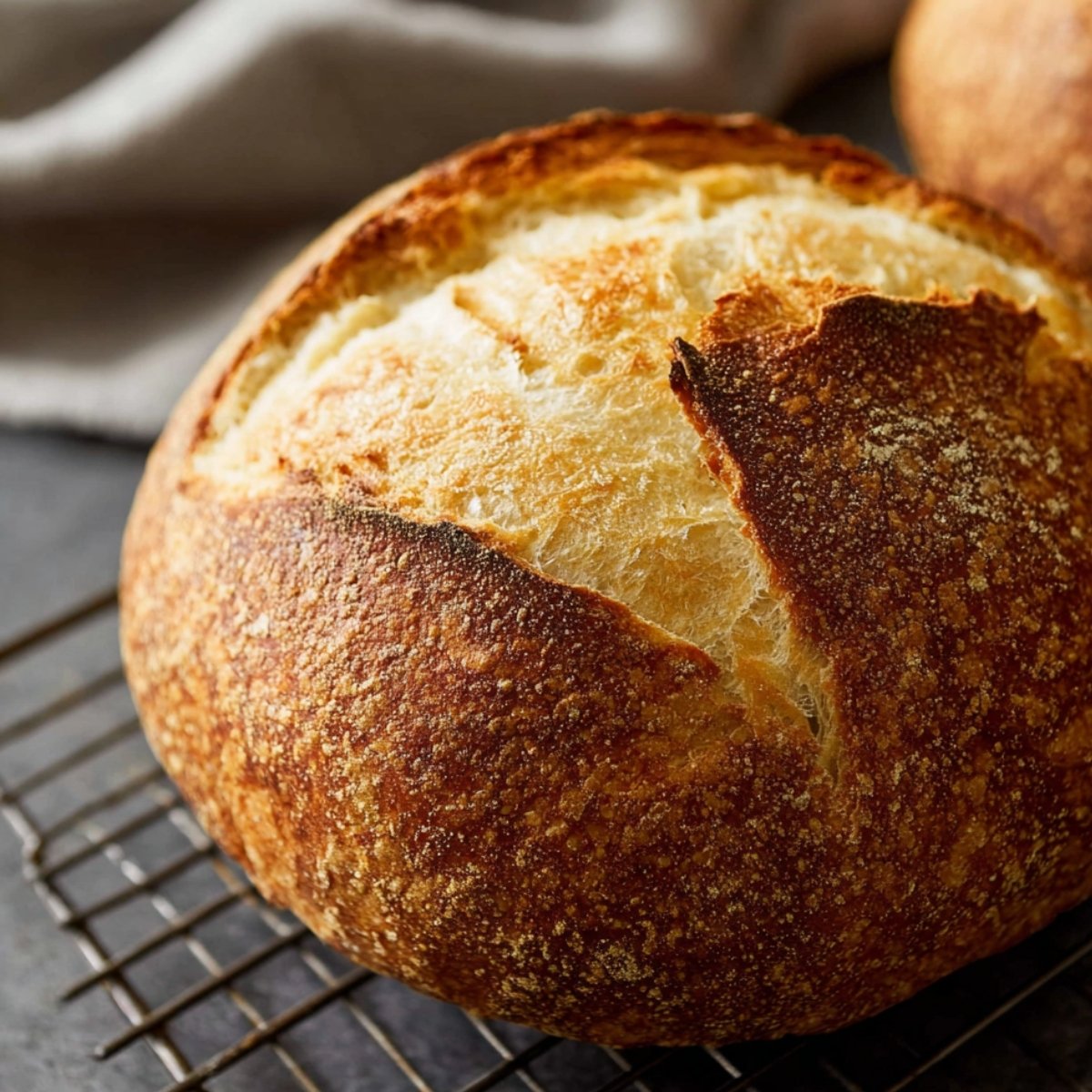
This crusty, golden sourdough bread has a tender, airy crumb and that signature tangy flavor you'd find at your favorite bakery. I still remember the first loaf I pulled from my oven the crackling crust, the way it filled my kitchen with that warm, yeasty smell. It felt like magic, but honestly, it's simpler than you'd think. With just five ingredients and a little patience, you can bake artisan bread at home that rivals anything from a fancy bakery.
If you love homemade bread, you'll also want to try my Naan Bread for weeknight dinners or these Sourdough Cinnamon Rolls for a sweet weekend treat.
What Makes Sourdough Bread So Special?
Sourdough isn't just bread. It's a whole experience. The long fermentation process gives it that deep, complex flavor and chewy texture you can't get from regular bread. Plus, the natural acids from the sourdough starter break down gluten, making it easier to digest for some people. It's the kind of bread that makes you want to slather it with butter while it's still warm, or toast it the next morning with Avocado Toast piled high.
What I love most is how hands-off it really is. Sure, it takes time, but most of that is just waiting. You're not slaving over the stove you're letting the dough do its thing while you go about your day.
Jump to:
Sourdough Bread Ingredients
Here's what you'll need to bake your own homemade sourdough loaf from scratch.
See Recipe Card Below This Post For Ingredient Quantities
- Bubbly, active sourdough starter: This is the heart of the recipe. Your starter should be fed and doubled in size, full of bubbles and life. It's what gives the bread its rise and that classic tangy flavor.
- Warm water: Helps activate the starter and brings the dough together. Use water that's just slightly warm to the touch, not hot.
- Olive oil: Adds a bit of richness and helps create a tender crumb. It also makes the dough a little easier to work with.
- Bread flour: This high-protein flour gives the bread structure and chew. Don't use all-purpose flour here bread flour is what creates that beautiful, airy texture.
- Fine sea salt: Balances the tanginess and enhances all the other flavors. It also strengthens the dough.
- Fine ground cornmeal or parchment paper: Keeps the dough from sticking to your Dutch oven and adds a little rustic texture to the bottom of the loaf.
How to Make Sourdough Bread
These steps will guide you through the process with timing, sensory cues, and helpful tips along the way.
- Make the dough: In a large bowl, combine the sourdough starter, warm water, and olive oil. Mix everything with a fork until blended. Add the bread flour and salt, stirring with the fork until the dough gets too stiff to mix. Then use your hands to bring it all together. The dough will look dry and shaggy that's exactly what you want.
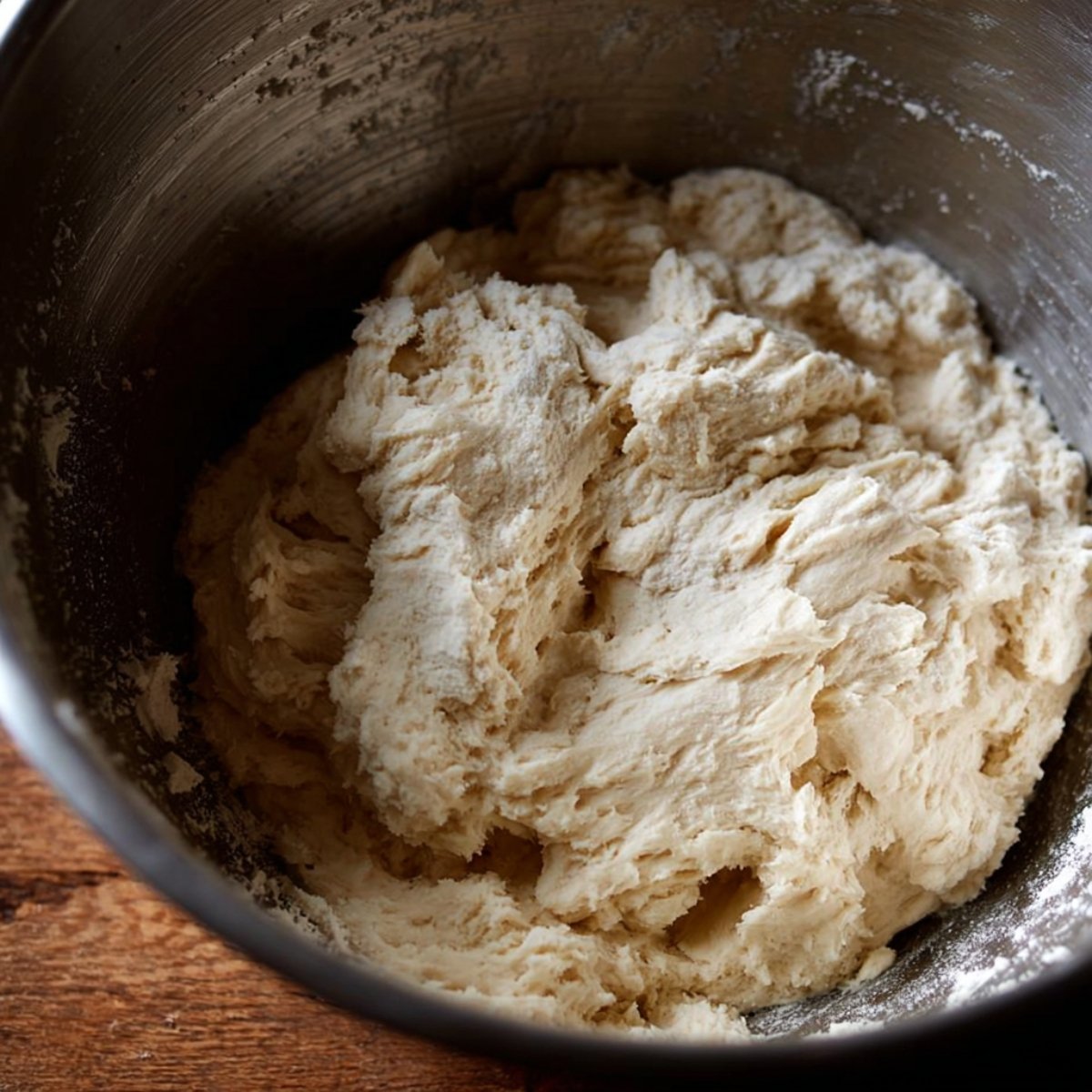
- Rest the dough: Cover the bowl with plastic wrap or a clean, damp kitchen towel. Let it sit for 30 minutes to 1 hour. This resting period, called autolyse, lets the flour absorb the water and makes the dough easier to handle.
- Work the dough: After resting, use your hands to work the dough into a rough ball for about 15 seconds. Don't overthink it just bring it together gently.
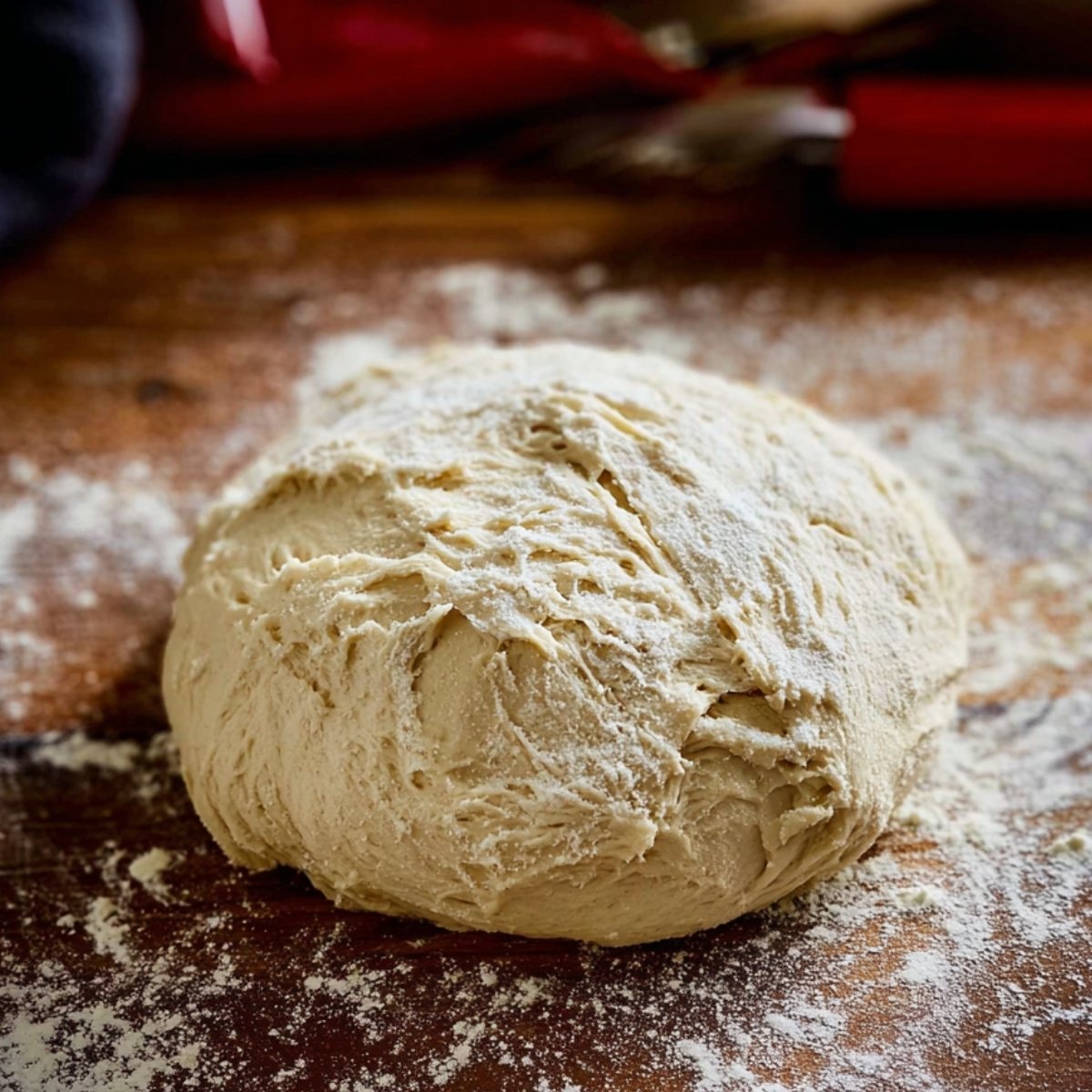
- Bulk rise: Cover the bowl with lightly oiled plastic wrap or transfer the dough to a dough tub. Let it rise in a warm spot, ideally between 70-75°F. You'll know it's ready when it's almost doubled in size. Depending on your kitchen temperature and how strong your starter is, this could take anywhere from 3 to 12 hours.
- Stretch and fold (optional): About 30 to 45 minutes into the bulk rise, you can do a series of stretch and folds. Grab a portion of dough, stretch it upward, then fold it over itself. Rotate the bowl a quarter turn and repeat until you've gone all the way around. You can do this once or twice, spaced about an hour apart. It's optional, but it helps build volume and gives you a taller loaf.
- Shape the dough: Turn the dough out onto a lightly floured surface. Gently deflate it and fold the edges into the center to form a circular shape. Flip it over so the seam is on the bottom, then cup your hands around the dough and rotate it in small circles to tighten the shape. You'll feel it start to hold together.
- Second rise: Place the shaped dough into a Dutch oven that's been coated with cornmeal or lined with parchment paper. Let it rise for 30 minutes to 1 hour. The dough should look slightly puffy but not doubled. While it's rising, preheat your oven to 450°F (232°C).
- Score the dough: Right before baking, use a bread lame, razor blade, or small serrated knife to make a shallow slash about 2 to 3 inches long down the center of the dough. This lets steam escape and gives you that classic artisan look.
- Bake the dough: Place the Dutch oven in the oven with the lid on, then immediately reduce the temperature to 400°F (204°C). Bake for 20 minutes. After 20 minutes, remove the lid and continue baking for another 40 minutes until the bread is deep golden brown. If you have a thermometer, the internal temperature should reach 205-210°F (96-98°C).
- Cool and slice: Remove the bread from the oven and transfer it to a wire rack. Let it cool for at least an hour before slicing. I know it's tempting, but cutting into it too early can make the inside gummy.
Substitutions and Variations
No Dutch oven? You can bake this on a baking stone or heavy baking sheet. Just place a pan of water on the bottom rack to create steam.
Want a softer crust? Brush the top with melted butter right after baking.
Add-ins: Fold in herbs, garlic, olives, or cheese after the bulk rise for a savory twist.
Whole wheat version: Replace up to half of the bread flour with whole wheat flour for a heartier loaf. You may need to add a bit more water.
Equipment
5 ½ or 6-quart Dutch oven: This traps steam and creates that crispy crust. It's the secret to bakery-style bread at home.
Digital scale: Weighing your ingredients ensures accuracy, especially with bread baking.
Fork: For mixing the dough initially.
Bread lame or sharp knife: For scoring the dough before baking.
Kitchen towel or plastic wrap: To cover the dough while it rises.
Proofing basket (optional): Helps the dough hold its shape during the second rise, but it's not required.
Storage and Make-Ahead Tips
Room temperature: Store the cooled bread in a paper bag or bread box for up to 3 days. Avoid plastic it makes the crust soft.
Freezing: Slice the bread, then freeze it in a freezer-safe bag for up to 3 months. Toast slices straight from the freezer.
Refresh a stale loaf: Sprinkle the crust lightly with water and warm it in a 350°F oven for 10 minutes.
Make-ahead dough: After shaping, you can refrigerate the dough overnight for a slower second rise. This deepens the flavor even more. Just let it come to room temperature before baking.
Serving Suggestions
Serve your warm sourdough bread with softened butter and a sprinkle of flaky sea salt. It's perfect alongside a bowl of soup or chili, especially on a cold evening.
Toast thick slices and top them with mashed avocado, a fried egg, and a pinch of red pepper flakes for an easy breakfast that feels fancy.
Use day-old bread for the best grilled cheese sandwiches you've ever had—the crust gets extra crispy and golden.
Tear off chunks and dip them into olive oil mixed with balsamic vinegar and Italian herbs for a simple appetizer.
Expert Tips
Feed your starter the night before. Make sure it's bubbly and doubled before you start. A sluggish starter means a dense loaf.
Don't rush the rise. A slow, cool rise develops better flavor. If your kitchen is warm, the dough will rise faster but may lack that deep tanginess.
Use a thermometer. Checking the internal temperature takes the guesswork out of knowing when your bread is fully baked.
Let it cool completely. I know it's hard, but slicing into hot bread releases too much steam and can make the texture gummy.
Score confidently. A quick, decisive slash works better than a slow, hesitant one. Hold your blade at a 45-degree angle.
FAQ
Sourdough can be easier to digest because the fermentation process breaks down some of the gluten and makes nutrients more available. Many people find it gentler on their stomachs. My mom switched to sourdough years ago and swears it doesn't bother her the way regular bread does.
Look for bakery-made loaves with a short ingredient list—just flour, water, salt, and starter. Avoid anything with added yeast or preservatives. Your local bakery is usually a safer bet than grocery store brands. But honestly, nothing beats making it yourself.
The simplest sourdough uses just flour, water, and salt, relying on a sourdough starter (which is also just flour and water). This recipe adds a bit of olive oil for extra tenderness, but you can skip it if you want to keep it minimal.
Sourdough is bread made with a naturally fermented starter instead of commercial yeast. The wild yeast and bacteria in the starter give it a tangy flavor, chewy texture, and a crispy crust. It's good because it's easier to digest, has a deeper flavor, and just tastes like real, honest bread. My grandma used to say sourdough was the way bread was meant to be made.
Related
Looking for other recipes like this? Try these:




Pairing
These are my favorite dishes to serve with Sourdough Bread




Sourdough Bread
Ingredients
Method
- In a large bowl, combine the sourdough starter, warm water, and olive oil. Mix with a fork until incorporated.
- Add the bread flour and salt to the bowl. Mix with the fork until the dough becomes stiff, then use your hands to incorporate the rest of the flour.
- Cover the bowl with plastic wrap or a damp kitchen towel and let it rest for 30 minutes to 1 hour (autolyse phase). After resting, return to the dough and form it into a rough ball for about 15 seconds.
- Cover the dough with oiled plastic wrap and let it rise in a warm spot (70-75°F). It’s ready when it has almost doubled in size.
- (Optional) After 30-45 minutes into the rise, perform a "stretch & fold" technique by pulling a portion of the dough upwards, folding it over itself, and rotating the bowl. Repeat this until you’ve made a full circle. Repeat this process 1-2 more times, spaced 1 hour apart.
- Transfer the dough to a floured surface and shape it into a tight ball by folding the dough over itself, rotating it, and tightening the surface. Place the shaped dough seam-side down.
- For the second rise, place the dough in a cloth-lined, floured proofing basket (or Dutch oven if dough is on the drier side). Cover and let it rise for 30 minutes to 1 hour.
- Preheat the oven to 450°F (232°C). If using a Dutch oven, coat the bottom with cornmeal or line it with parchment paper. Place the dough inside and score the top with a shallow 2-3 inch long slash.
- Place the Dutch oven into the preheated oven, reduce temperature to 400°F (204°C), and bake for 20 minutes with the lid on. Then remove the lid and bake for an additional 40 minutes or until golden brown.
- Check the internal temperature of the bread; it should read about 205-210°F (96-98°C). Once done, remove the bread from the oven and cool it on a wire rack for at least an hour before slicing.




Leave a Reply